
Getting to the game is rarely the fun part. For a group leaving Santa Monica, it usually means a group chat full of “who’s driving?”, a parking pass that has to be bought for the right lot, and a long wait on the 405 while kickoff gets closer. Then, after the final whistle, everyone tries to find each other and leave the same lot at the same time.
This guide covers how sports event transportation in Santa Monica, CA works, what it costs, when to book, and how to plan for the venues Westside fans actually go to. It’s written for anyone organizing a ride for a few friends, a company outing, a youth team, or a full section of season-ticket holders.
Quick Takeaways
- Sports event transportation is a prearranged ride for a game, usually with a professional driver, a set pickup time, and a plan for drop-off and the return trip.
- The right vehicle depends on headcount, luggage or tailgate gear, and venue rules. Buses and large vans often need special parking or loading arrangements.
- Most quotes are based on time (hours reserved), not just distance. Waiting time during the game usually counts.
- Book as soon as your tickets are confirmed. Big dates and popular vehicle sizes go first.
- Before you pay, confirm the operator holds a valid California CPUC charter-party carrier (TCP) permit.
What Is Sports Event Transportation?
Sports event transportation is a prearranged, private ride to and from a game, match, or tournament. Instead of everyone finding their own way, one vehicle (or a small group of vehicles) picks up your group at an agreed location, takes you to the venue, and brings you back afterward.
It’s usually built around three pieces:
- A pickup plan. A time and place in Santa Monica, such as a home, hotel, office, or meeting spot.
- A venue plan. Where the vehicle drops off and, just as important, where it waits or returns.
- A return plan. A set pickup time or a “call us when the game ends” arrangement.
The service goes by a few names: game day transportation, sports event car service, fan shuttle, team transportation. The idea is the same. What changes is the vehicle, the group size, and how much coordination the company handles for you.

Why Use Professional Transportation for Sports Event in Santa Monica?
Santa Monica sits on the far west side of Los Angeles County, and most major venues are a long way from it. Crypto.com Arena is roughly 15 miles by road, and SoFi Stadium and Intuit Dome are in Inglewood. Even a short drive can turn into a long one on game night.
A professional service helps in a few practical ways:
- You don’t have to drive. Everyone can enjoy the pregame, and no one has to be the designated driver in stadium traffic.
- Fewer parking headaches. One vehicle means one arrangement instead of several cars looking for spaces. Some venues also limit or handle buses and oversized vehicles differently, so having a driver who plans for that matters.
- Your group stays together. People arrive together, leave together, and don’t get lost a lot.
- Someone else handles the route. A driver who works these venues regularly knows which approach roads back up and where drop-offs are actually allowed.
- Safer post-game trip. For groups who plan to celebrate, a sober professional driver is the responsible option.
Two honest caveats. For a party of two or three, rideshare or transit may cost less. And a private vehicle doesn’t remove traffic. It removes the stress of dealing with it.
What Types of Sports Event Can You Arrange Transportation For?
Almost any event with a fixed date and a group heading to it. In the Los Angeles area, that commonly includes:
| Event Type | Typical Venue Examples | Planning Notes |
|---|---|---|
| NFL games | SoFi Stadium (Inglewood) | Oversized vehicles use a designated lot with a specific pass. Confirm the lot and pass for your date. |
| NBA and NHL games | Crypto.com Arena (downtown LA), Intuit Dome (Inglewood) | Crypto.com Arena asks that buses and limos arrange access in advance and use designated loading areas. |
| MLB games | Dodger Stadium, Angel Stadium (Anaheim) | Dodger Stadium has one main approach that backs up after games. Plan your return time. |
| College sports | Rose Bowl (Pasadena), USC’s Coliseum, UCLA’s Pauley Pavilion | College football lots can be permit-based. Ask the venue about bus parking early. |
| Soccer | BMO Stadium (LA), Dignity Health Sports Park (Carson) | Check bag rules and re-entry policies before you go. |
| Youth and amateur sports | Tournaments, school games, club events | Multi-stop schedules and headcounts matter more than luxury. |
| Team and league transportation | Away games, tournaments | Often includes equipment space and a set itinerary. |
| Golf, marathons, fan trips | Regional events | May need one-way, early-morning, or multi-day arrangements. |
Rules like parking zones, bag policies, and shuttle programs change, so treat any list as a starting point and check the venue’s official page before your date.
What Types of Vehicles Are Available for Sports Events?
The best vehicle isn’t always the biggest one. Think about headcount, gear, comfort, and where the vehicle will actually be allowed to go.
| Vehicle | Typical Capacity | Best For | Things to Consider |
|---|---|---|---|
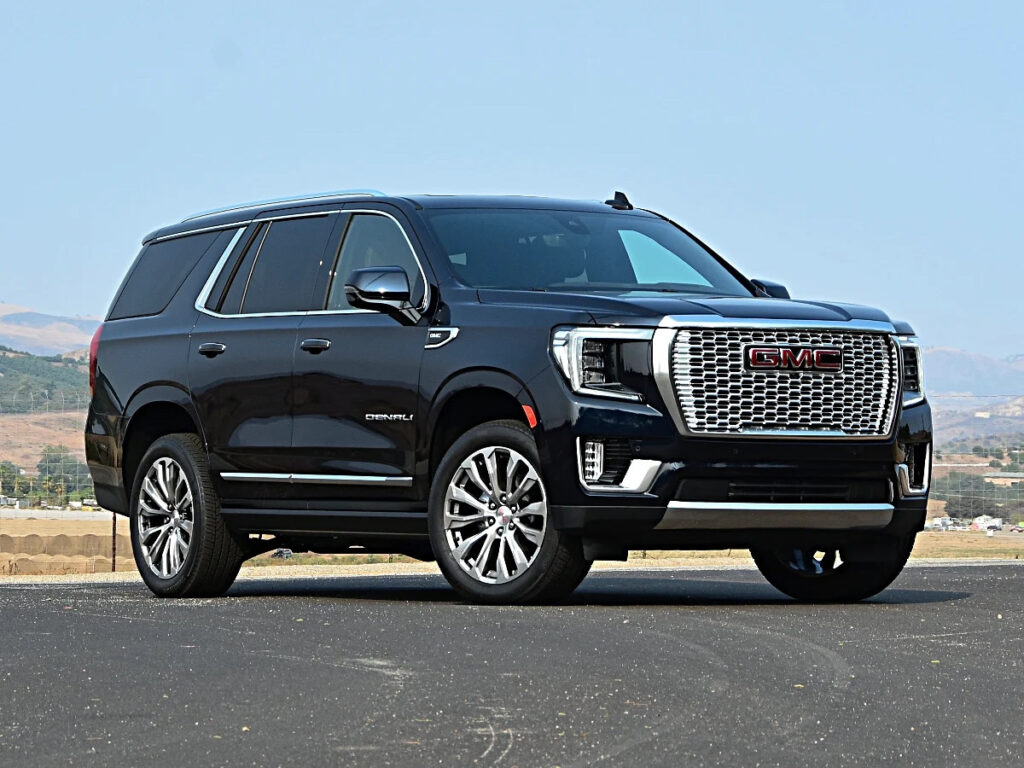
| Luxury sedan or SUV | 1–6 | Small groups, VIP guests, executives | Fits most drop-off zones easily |
| Executive Sprinter-style van | Roughly 8–14 | Suite holders, small fan groups, corporate clients | Good balance of comfort and flexibility |
| Minibus | Roughly 18–35 | Office outings, clubs, mid-size groups | Confirm venue rules for oversized vehicles |
| Party bus | Varies widely | Fan groups who want the pregame on board | Check the company’s onboard alcohol and passenger policies |
| Full-size coach / charter bus | Roughly 40–56 | Large fan groups, teams, school groups | Usually needs advance venue parking arrangements |
A practical way to choose: count everyone, add a few extra seats for late additions, and ask whether you’re bringing coolers, chairs, flags, or team gear. Then ask the company which vehicle they’d recommend for your specific venue. Capacity numbers vary by manufacturer and seating layout, so always confirm the exact vehicle.
Can Sports Event Transportation Accommodate Large Groups?
Yes, and large groups are often where a professional service saves the most effort. A single coach can carry around 50 people. Beyond that, companies can send multiple vehicles that leave and return on a shared schedule.
A few things change as groups grow:
- Advance notice matters more. Large vehicles are fewer, so they book up sooner.
- Venue access is more regulated. Buses may be sent to a specific lot or loading area.
- You need a headcount contact. One person should be the point of contact for the driver and the company.
- Multiple vehicles need one plan. Give each a pickup list, a shared meeting point, and a return time.
If your group is around 30 to 60 people, ask whether one large vehicle or two mid-size ones makes more sense. Two vehicles can be easier to park and load, while one bus keeps everyone together.
How Does Group Transportation for Sports Event Work?
Here’s the usual process from first call to drop-off.
- Share the basics. Date, event, venue, pickup address in Santa Monica, headcount, and whether you need a return trip.
- Get a quote and vehicle recommendation. A good company will ask about the venue and timing, not just the number of passengers.
- Confirm the details in writing. Vehicle type, hours reserved, pickup and return times, what’s included, deposit, and cancellation policy.
- Finalize the headcount and itinerary. A few days before, confirm the final number of riders, pickup point, and a contact person.
- Ride day. The driver arrives on time, loads the group, and gets you to the designated drop-off or parking area.
- The return. Agree beforehand on a meeting spot and time, or a “we’ll call when the game ends” plan. Confirm how the driver will reach you.
- Wrap up. Any overtime is settled according to the agreement.
The one step people skip is #3. A written agreement protects you if plans change.
Sports Event Car Service vs. Regular Transportation: What’s the Difference?
“Regular” transportation like rideshare, taxis, or transit works well for individuals. A sports event car service is designed for the specific job of getting a group to a scheduled event and back.
| Duration | Sports Event Car Service | Rideshare / Taxi | Public Transit |
|---|---|---|---|
| Booked in advance | Yes, with a confirmed vehicle | Usually on demand | Fixed schedule |
| Pickup and return timing | Planned around the event | Depends on demand and surge | Depends on schedule |
| Group stays together | Yes | Often split across cars | Possible, but with transfers |
| Professional driver | Yes | Varies | N/A |
| Waiting time | Often included in the reservation | Not typical | N/A |
| Cost structure | Time- and distance-based | Per ride, can spike after events | Low fare |
| Best for | Groups, VIPs, teams, corporate outings | Individuals or pairs | Budget-conscious solo travelers |
Public transit isn’t a bad choice. For downtown LA, the Metro E Line runs from Downtown Santa Monica to Pico Station, which is a short walk from Crypto.com Arena, and published trip estimates put the ride at roughly 45 to 50 minutes. That’s a real option for one or two people. It gets harder with a large group, luggage, or a late-night return.
What Should You Consider When Planning Transportation for a Game?
Before you request a quote, work through this list.
Group and gear
- How many people, including kids?
- Any wheelchair or mobility needs?
- Coolers, chairs, banners, team equipment?
Venue rules
- Where can this type of vehicle drop off and park?
- Are there special passes for buses or oversized vehicles?
- What are the bag, re-entry, and tailgating rules?
Timing
- When do lots or gates open?
- How early does your group want to arrive?
- When will people want to leave? Right after the final whistle, or after the crowd clears?
Money
- Is the price hourly, flat, or per-mile?
- What’s the minimum number of hours?
- Are tolls, parking fees, or gratuity included?
The company
- Do they hold a valid CPUC charter-party carrier permit (a TCP number)?
- Do they carry proper insurance?
- Will they put the terms in writing?
How Much Does Sports Event Transportation Cost in Santa Monica, CA?
There isn’t one price, because the cost depends on the trip. Most quotes are built from a few factors:
- Vehicle type and size. A luxury sedan costs less than a coach.
- Hours reserved. Time counts from pickup until drop-off at the end, including waiting during the event, and many companies apply a minimum number of hours.
- Distance and route. Santa Monica to Inglewood is a different trip than Santa Monica to Anaheim.
- Date and demand. Playoff games, rivalry weekends, and concerts at the same venue can raise rates.
- Extras. Parking or venue fees, tolls, driver gratuity, and any overtime.
For a rough sense of the market, one LA-area bus-rental comparison site publishes 2026 planning estimates that run from roughly $190 to over $450 per hour for minibuses, party buses, and charter buses. Treat that as a ballpark from a single source, not a quote, since rates vary by company, date, and vehicle.
A simple, hypothetical example (not a quote): Say a group of 30 reserves a vehicle for 8 hours at $300 an hour. That’s $2,400 before extras, or about $80 per person. Compare that with each person paying for a ride share both ways, plus parking for several cars, and the group cost can look very different. Do your own math with a real quote.
Questions to ask before you book:
- What’s the total, including any fees?
- Is there a minimum number of hours?
- How is waiting time handled?
- What happens if the game goes into overtime or runs late?
- What’s the cancellation and refund policy?
How Far in Advance Should You Book Sports Event Transportation?
As soon as your tickets and date are confirmed. That’s the safest answer, and here’s how to think about it:
| Situation | Suggested Timing |
|---|---|
| Large group or coach (40+ riders) | As early as possible, often several weeks or more |
| High-demand events (rivalry games, playoffs, big concerts at the same venue) | As soon as you have tickets |
| Regular-season games with a small group | A couple of weeks is often workable, but earlier gives you more choices |
| Venues that require advance bus parking or passes | Start earlier, since the venue may have its own lead time |
One example: Crypto.com Arena’s guidance has recommended arranging limo, bus, and RV access about 10 days ahead of an event. That’s the venue’s timeline, not the transportation company’s, so start earlier than that.
If plans are still uncertain, ask about deposits and cancellation terms so you can lock in a vehicle without taking on too much risk.
How Can Event Transportation Make Game Day Easier?
Here’s what a simple, well-planned trip can look like. This is an illustration, not a guaranteed schedule.
- Morning or early afternoon. The vehicle arrives at your Santa Monica pickup point at the agreed time. Bags and gear are loaded, and everyone’s on board.
- On the road. The driver takes the route that makes sense for that day’s traffic. Your group isn’t stuck checking maps.
- Arrival. You’re dropped off or parked at the venue’s approved area, with a clear plan for where to meet later.
- During the event. The driver stays with the vehicle or is on call, depending on the arrangement.
- After the game. Everyone meets at the agreed spot and heads home together.
The biggest benefit isn’t luxury. It’s fewer decisions and fewer things that can go wrong on a day when you’d rather be watching the game.
Tips for Planning Stress-Free Transportation to a Sporting Event
- Pick one organizer. One person handles the booking, final headcount, and communication with the driver.
- Confirm the venue plan before the day. Ask the company where they’ll drop off, park, and pick up.
- Build in a buffer. Traffic around Inglewood, downtown LA, and Pasadena can change quickly. Leave earlier than you think you need to.
- Set a meeting point and time for the return. Don’t rely on everyone being able to call or text in a crowded parking area.
- Share the plan in writing. Send riders the pickup time, address, driver contact, and return plan.
- Check the bag policy. Many stadiums require clear bags, and some restrict coolers. Leave oversized items on the vehicle if that’s allowed.
- Plan for accessibility. If anyone needs a wheelchair-accessible vehicle or extra boarding time, say so when you book.
- Verify the company. In California, charter-party carriers must be licensed by the CPUC. Ask for the TCP number and check it with the CPUC, and confirm insurance. Vehicles that seat more than ten (including the driver) are also subject to CHP safety inspection.
- Have a backup. Keep a rideshare app on your phone in case someone has to leave early.
- Get the terms in writing. Price, hours, pickup and return times, deposit, and cancellation.
Frequently Asked Questions
Is it cheaper to take a private vehicle or drive separately?
It depends on group size. Splitting a vehicle among a large group can be cost-competitive once you count parking, gas, and rideshare fares. For two or three people, driving or rideshare is often cheaper.
Where will the vehicle drop us off?
It depends on the venue and vehicle size. Some venues have designated areas for buses and larger vehicles, and others route them to specific lots. Ask the company where they’ll drop off, and check the venue’s official guidance.
Can the driver wait for us during the game?
Usually, yes, if you reserve the vehicle for the whole event window. Waiting time is normally part of the hourly cost. Some companies instead drop off and return later, so clarify this when you book.
What if the game runs late or goes into overtime?
Ask how overtime is billed before you book. Most companies bill extra time by the hour after the reserved window ends.
Can we bring food, drinks, or tailgate gear?
Policies differ by company and by venue. Ask the company about onboard food and alcohol rules, and check the venue’s tailgating and bag policies.
How do I verify a transportation company is legitimate?
Ask for the CPUC TCP permit number, then look it up through the CPUC’s public search for licensed passenger carriers, where you can also check insurance and authority status. The CPUC also suggests getting a written agreement.
Can a company handle team or league transportation, not just fans?
Many can. Give them the roster size, equipment needs, schedule, and any multi-stop or multi-day requirements.
What if we’re a mixed group with some people meeting us at the venue?
Tell the company how many riders are on board and where the rest will meet you. Most venues route buses differently from personal cars.